Destructive borer beetle: residents invited to important community meeting in Durbanville
07 February 2025
The City of Cape Town is urging residents to attend a vitally important community training session in Durbanville about the invasive Polyphagous Shot Hole Borer beetle (PSHB). The session will be hosted by the City's Invasive Species Unit and will take place on Thursday, 20 February 2025, from 16:00 until 18:30. Following the latest sighting of PSHB in Durbanville, we recommend that residents who have trees on their properties set time aside to learn more about the beetle, including the threat posed by the PSHB to Cape Town’s urban forest.
Upcoming PSHB training session details are as follows:
• Date: Thursday, 20 February 2025
• Time: 16:00 to 18:30
• Venue: Durbanville Library, corner of Oxford and Koeberg Roads, Durbanville
Some of the trees affected in Cape Town include Boxelders, London Planes, English Oaks, Beef Wood, Weeping Willow, Cape Chestnut, Sweet Viburnum, Black Locust, Paperbark, Liquid Amber, Chinese Cottonwood and Maples.
What to learn from the training session:
• How to identify infested trees and what symptoms to look out for
• What to do next, what not to do
• How to handle infested biomass
• How to safely dispose of infested biomass
• How to transport green waste
• How to handle equipment and machinery in a manner that will not spread the pest to other areas
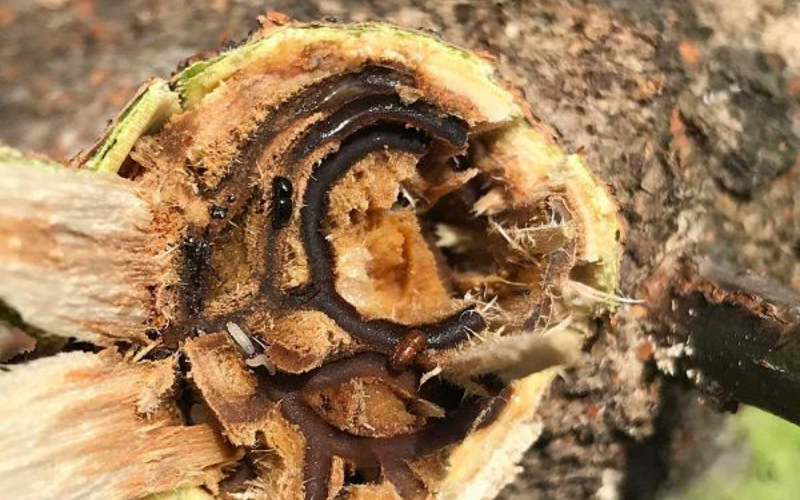
The City has recently confirmed that various trees in Durbanville are indeed infested with PSHB. These trees were found on private properties and showed PSHB symptoms. At this point, the City cannot confirm the number of infested trees in the Durbanville area; surveys are currently under way to determine this.
‘We urge all private landowners to inspect the trees on their properties for any symptoms of infestation and to contact us immediately if any signs are detected. We are extremely concerned about the latest sighting and need the assistance and cooperation of residents and businesses working with plant material.
‘To help curb the spread of this pest, we ask residents to share the details of our upcoming public meeting with their neighbours. Our goal is to reach as many residents as possible this month to prevent further spread into neighbouring suburbs in the north. Please attend or drop in after work at the Durbanville library for this training session, or if you have any questions. We would greatly appreciate your participation,’ said the City’s Deputy Mayor and Mayoral Committee Member for Spatial Planning and Environment, Alderman Eddie Andrews.
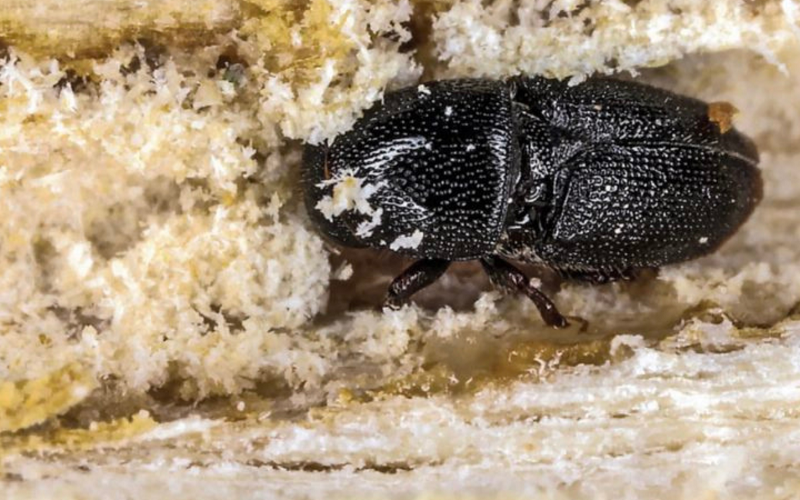
• Residents across Cape Town are also encouraged to notify the City if they have Boxelder trees on their properties by logging these trees on https://www.inaturalist.org/projects/box-elders-cpt.
Boxelders are one of the four highly susceptible reproductive host trees for PSHB. Both the beetles and the fungus are able to establish, and the beetle successfully reproduces in these trees. Once attacked, Boxelder trees typically die within one year and they amplify the PSHB population and increase the risk to surrounding trees. Boxelder is thus an indicator of an early infestation in a new area.
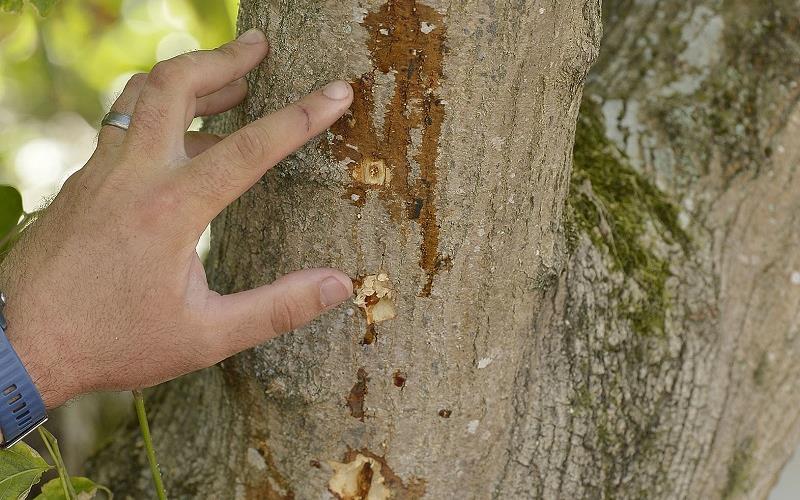
The PSHB poses a serious threat to Cape Town's urban forest as infested trees have to be chipped.
Latest infestation statistics, excluding Durbanville:
• To date, 26 trees have been infested in Penhill, Eerste River, among which Boxelders, London Planes, English Oaks, Beef Wood, Weeping Willow, Cape Chestnut, Black Locust, Paperbark and Maples
• Over 400 sightings of infested trees have been recorded in Newlands, Rondebosch, Mowbray, Claremont, Kenilworth, and Observatory along the Liesbeek River
• Over 5 700 infested trees have been sighted in the Helderberg area since 2019 to date
How to report PSHB beetle sightings:
• Online at www.capetown.gov.za/InvasiveSpecies
• Call the City of Cape Town's Invasive Species Unit on 021 444 2357, Monday to Friday, from 07:30 to 16:00
• Send an email to: invasive.species@capetown.gov.za
The City will try its best to respond within 10 working days to verify a reported sighting. However, the response time will depend on the number of sightings reported.
End
Published by:
City of Cape Town, Media Office